
black vanity with mirror and lights
Understanding the 1 Way Check Valve A Vital Component in Fluid Control Systems A 1 way check valve, also known as a unidirectional valve or non-return valve, plays a crucial role in various fluid control systems. This ingeniously designed component is primarily used to allow fluid flow in one direction while preventing it from flowing back in the opposite direction. Its functionality is critical for maintaining system integrity and preventing backflow, which can lead to contamination, equipment damage, or even system failure. The '1 way' in the term refers to the valve's single port design, meaning it has one inlet and one outlet. Unlike a two-way valve that allows fluid to flow in both directions, a 1 way check valve ensures a unidirectional flow. The valve opens when the fluid pressure exceeds a certain threshold, allowing the fluid to pass through. Once the flow direction reverses, the valve automatically closes, thereby preventing backflow. The operation of a 1 way check valve is based on a simple yet effective mechanism. It typically consists of a valve body, a spring, and a disc or a ball. When fluid flows in the intended direction, it pushes the disc or ball against the force of the spring, opening the valve. Conversely, when the flow attempts to reverse, the spring's force keeps the valve closed, stopping the fluid from flowing back Conversely, when the flow attempts to reverse, the spring's force keeps the valve closed, stopping the fluid from flowing back Conversely, when the flow attempts to reverse, the spring's force keeps the valve closed, stopping the fluid from flowing back Conversely, when the flow attempts to reverse, the spring's force keeps the valve closed, stopping the fluid from flowing back 1 way check valve . These valves find applications in a myriad of industries, including oil and gas, chemical processing, water treatment, and pharmaceuticals. They are often installed in pumps to prevent pump cavitation, in pipelines to protect against backpressure, and in pressure vessels to maintain system pressure. One of the key advantages of the 1 way check valve is its simplicity. Its straightforward design makes it less prone to malfunction and easier to maintain compared to more complex valve designs. However, it is essential to choose the right type of check valve based on the specific application requirements, such as fluid properties, pressure ratings, and flow rates. In conclusion, the 1 way check valve is an indispensable element in fluid control systems, ensuring the safe and efficient flow of fluids. Its ability to prevent backflow not only safeguards the system but also contributes to process reliability and longevity. Despite its seemingly simple function, the role it plays in maintaining system integrity cannot be overstated. As technology advances, we can expect further innovation in the design and materials of these valves, enhancing their performance and suitability for diverse industrial applications.
about
black vanity with mirror and lights
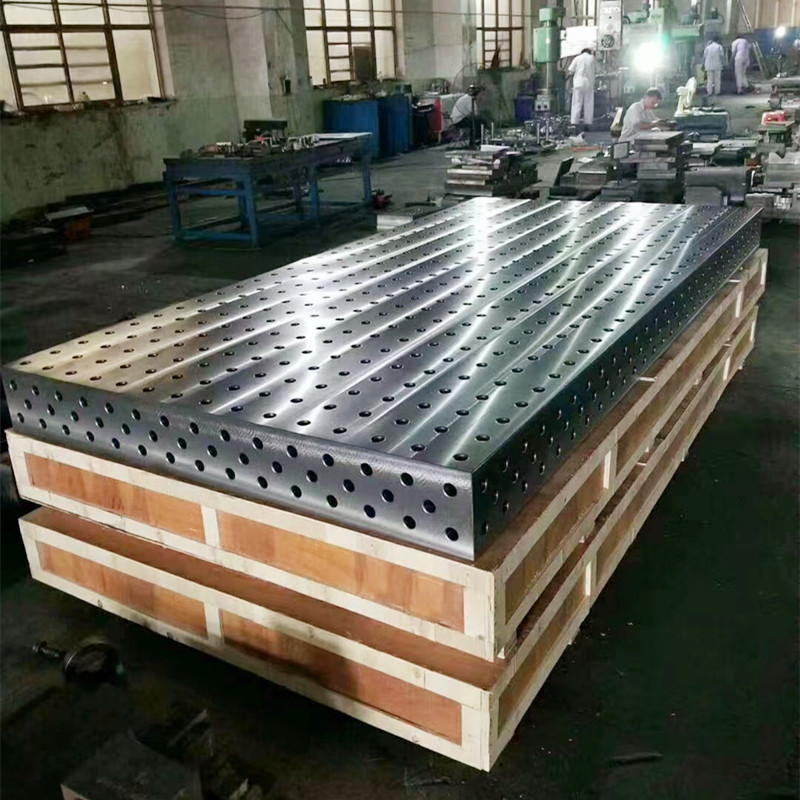
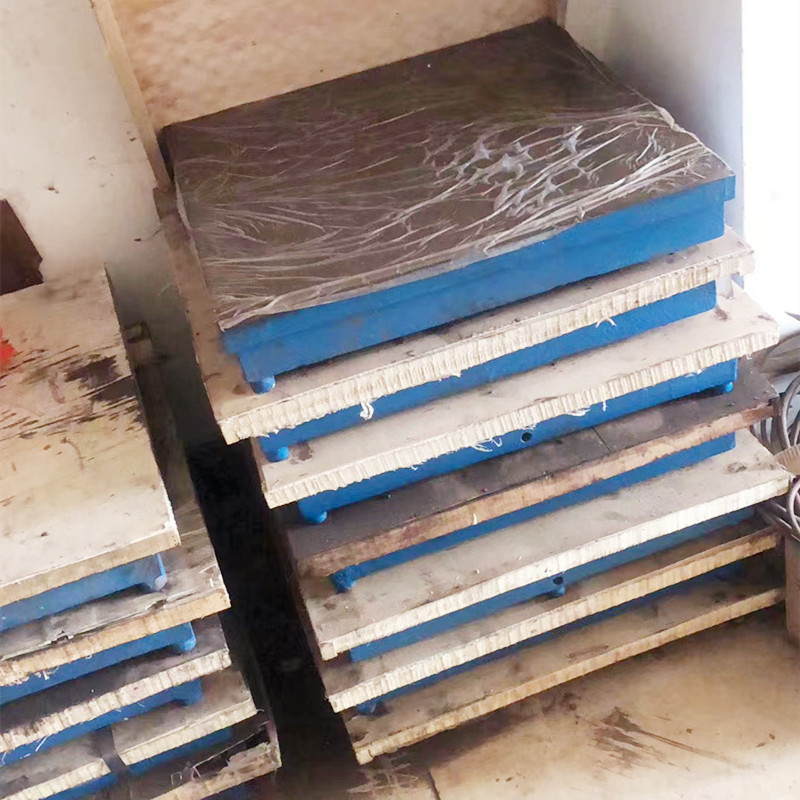
Understanding the 24 x 36 Surface Plate Importance and Applications In the realm of manufacturing and precision engineering, the surface plate serves as a fundamental tool for establishing a flat reference surface. A surface plate that measures 24 inches by 36 inches is a common size that strikes a balance between usability and versatility, making it an essential asset in various industries. This article delves into the significance, characteristics, and applications of the 24 x 36 surface plate. What is a Surface Plate? A surface plate is a flat, solid plate made from materials such as granite, cast iron, or steel, meticulously machined to achieve a high degree of flatness. The primary purpose of a surface plate is to provide a reliable base for measuring, testing, and inspecting the flatness of components, tools, or fixtures. Precision is paramount in manufacturing, and the surface plate aids in ensuring that products conform to specified tolerances. Importance of Flatness Flatness is a vital aspect of precision measurements in engineering. An uneven surface can lead to inaccuracies, which may cause catastrophic failures in manufactured products . With a 24 x 36 surface plate, engineers and technicians can perform measurements that are critical to ensuring the quality and reliability of parts. This surface eliminates variables in measurement by providing a stable reference that minimizes the risk of distortion and provides a consistent measuring environment. Key Characteristics 1. Material Most surface plates are made from granite or cast iron, with granite being favored for its resistance to wear and thermal stability. A granite surface plate is non-porous, which means it will not absorb liquids that could lead to corrosion or other forms of damage. 2. Surface Hardness A high level of hardness is essential to prevent wear during prolonged usage. Granite plates typically have a hardness rating of around 6-7 on the Mohs scale, which makes them ideal for heavy-duty applications. 3. Flatness Tolerance The flatness of a surface plate is meticulously measured and often rated according to industry standards. A precision surface plate should maintain a flatness tolerance of 0.0001 inches or better, depending on its classification. 24 x 36 surface plate 4. Size and Portability The 24 x 36 dimensions make this surface plate suitable for a variety of tasks without occupying too much workspace. Its manageable size allows for ease of transport and usage in different settings, from small workshops to larger manufacturing facilities. Applications The versatility of the 24 x 36 surface plate makes it suitable for numerous applications, including - Inspection and Measurement It serves as a primary tool for gauging the flatness of machined parts, ensuring they meet the necessary specifications before assembly. - Assembly Fixture Engineers can use the surface plate as a staging area for precision assembly, allowing them to align and fit components accurately without distortions that could arise from less stable surfaces. - Tool Calibration Precision measuring instruments, such as calipers and micrometers, can be calibrated against the surface plate, confirming their accuracy. - Manufacturing Setup In CNC machining and other automated processes, the surface plate can assist in setting up and leveling machinery, ensuring that operations proceed without unexpected deviations. Conclusion The 24 x 36 surface plate is an indispensable tool for ensuring precision in manufacturing and engineering fields. Its ability to provide an accurate reference surface cannot be overstated; it underpins vital processes from inspection to assembly and calibration. As industries continue to demand higher precision and quality, the role of surface plates in achieving these objectives will remain significant. Investing in a high-quality surface plate is a decision that pays dividends in accuracy, reliability, and ultimately, product quality.
-

High quality industrial productsagement

High quality industrial products
View Details -

Meet the diverse needs of customers

Meet the diverse needs of customers
View Details -

Strict quality control

Strict quality control
View Details -

Top raw materials

Top raw materials
View Details -

Trusted supplier

Trusted supplier
View Details
Our application


news and information

v frames
The Evolution and Impact of V Frames in Modern Visual Media In the rapidly evolving landscape of vis
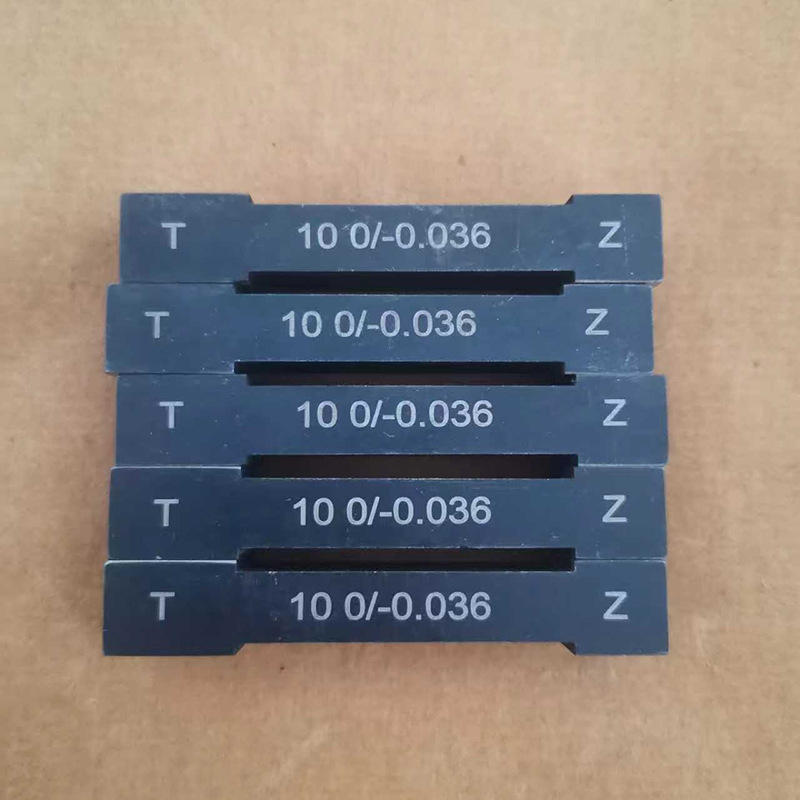
Vee Blocks for Sale - Premium Quality & Competitive Prices
Vee Blocks for Sale A Comprehensive Guide If you are in the manufacturing, engineering, or quality c
Van cửa cổng hình vuông và ứng dụng của nó trong công nghiệp
Cửa van chặn hình vuông Giải pháp hiệu quả cho ngành công nghiệp Cửa van chặn hình vuông là một tron
 English